
Peoples Gas is investing in modern equipment to continue providing safe, reliable service. As part of this work, we’re launching a pilot in Tampa to upgrade natural gas meters with newer, more advanced models.
Most people don’t think much about their natural gas meter – it simply tracks how much natural gas you use. But like other everyday technologies, meters have improved significantly over the years. The new models offer enhanced safety, greater convenience and a foundation for future customer‑focused features.
Here are some benefits that customers can expect:
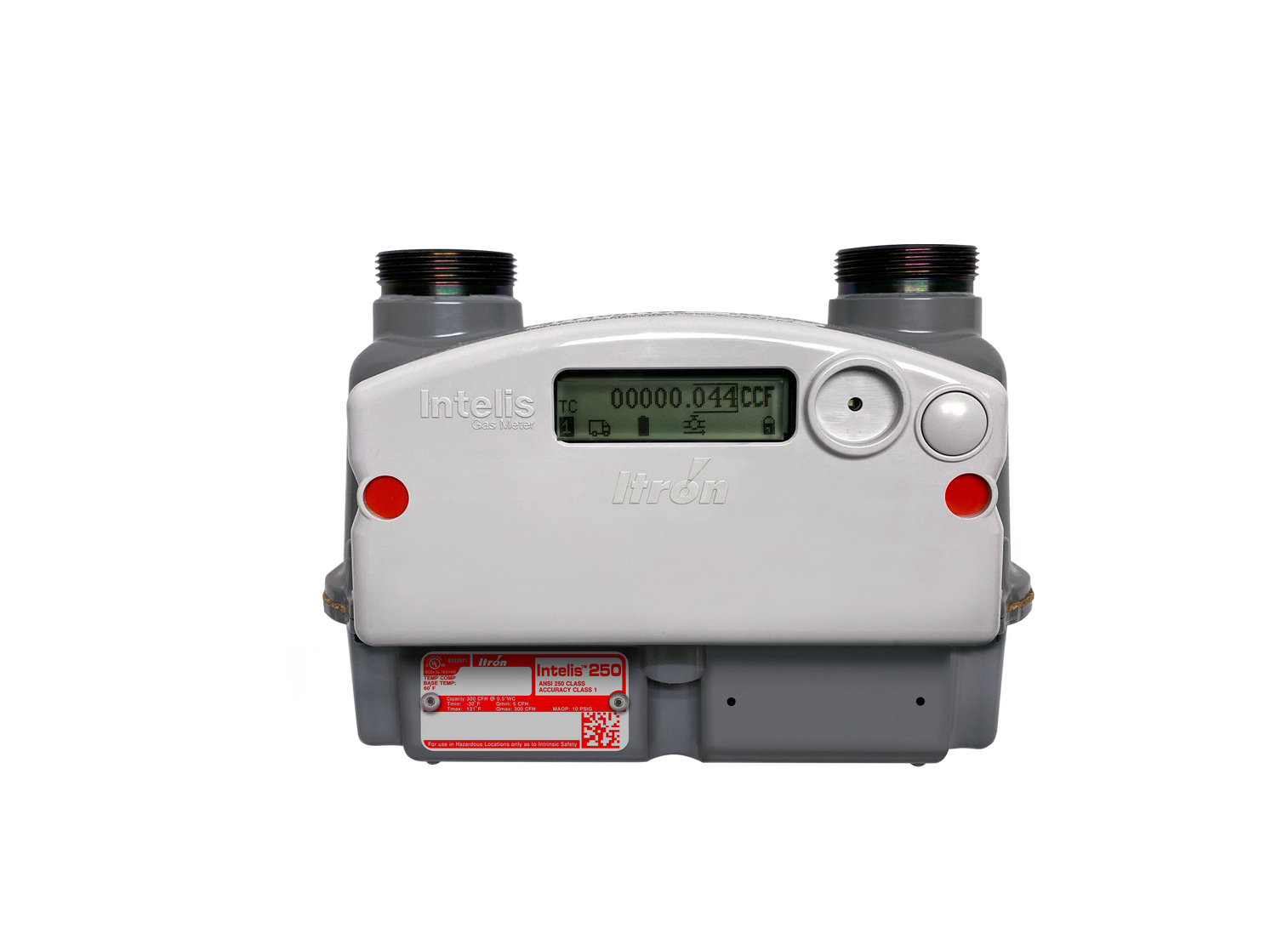
- Reduced footprint on your property: Solid-state meters are much smaller than typical natural gas meters
- Increased privacy on your property: Your usage data is sent directly to Peoples Gas through a secure wireless network, limiting on-site or drive-by visits to read meters
- Special features: Automatic valve shut off and real-time pressure monitoring to enhance safety and ensure accurate billing
- Billing consistency: Meter reads are captured on a regular cycle and no longer dependent on a technician being dispatched
As we modernize to improve safety and build a more resilient system, we'll leverage meters to offer even more features, such as providing you with more visibility into your energy use, alerts that will detect failing equipment before an outage occurs and more.
Frequently Asked Questions
A. Peoples Gas is upgrading to solid-state natural gas meters as part of building a resilient and modern natural gas delivery system. The new equipment supports our ongoing efforts to provide an enhanced level of customer service along with safe, reliable and affordable energy.
We use a meter to measure the amount of natural gas consumed by your home or business. Meters display usage in therms. Your monthly statement reflects the difference in therms of natural gas used from the previous month to the current month. That number is used to calculate the cost of your natural gas service.
A. Solid-state meters use "advanced metering infrastructure" to send data to Peoples Gas through a secure wireless network and eliminate the need for us to manually read your meter each month. These meters provide enhanced safety features and services such as an automatic valve shut off if high pressure or excessive gas flow is detected; real-time alerts that help identify low pressure, potential leaks or other issues early, enabling faster response, improving safety and preventing unexpected high bills; reduced footprint on your property and more streamlined service starts and transfers. Solid-state meters are helping us reduce our carbon footprint – fewer trucks driving by for meter reads means fewer vehicle emissions in our communities.
A. Solid-state meters collect and store energy usage data. This data is sent to Peoples Gas through a secure radio frequency (RF) network.
A. The meters we're installing are designed with multiple layers of security, including a dual security authentication system the encrypts usage data transmitted by the meter. No personal or sensitive data is stored in the solid-state meter. All personal data is stored behind Peoples Gas’ series of firewalls that are governed and audited according to the Sarbanes-Oxley Act (SOX) compliance regulations. Solid-state meters are proven technology and are safe and secure. All communications are encrypted and delivered across secure networks.
A. Solid-state meters emit a low level of RF and only transmit data for a few seconds per hour. The average RF levels are far below the safety standards specified by the Federal Communications Commission (FCC). The FCC is required by the National Environmental Policy Act of 1969, to evaluate the effect of emissions from FCC-regulated transmitters on the quality of the human environment. Peoples Gas only uses FCC-compliant meters.
A. Since 1996, the FCC has required all wireless communications devices sold in the United States to meet minimum guidelines for safe human exposure to RF energy. The guidelines are established to protect public health with a large safety margin. In addition, federal health and safety agencies including the Environmental Protection Agency, Federal Drug Administration, National Institute for Occupational Safety and Health and the Occupational Safety and Health Administration consistently monitor and regulate RF safety.
A. Yes. Itron has rigorous quality assurance processes to ensure the safety, accuracy and reliability of its advanced metering equipment. Itron complies with safety standards established by a number of utility industry standard bodies including the American National Standards Institute (ANSI), Institute of Electrical and Electronics Engineers (IEEE) and the International Electrotechnical Commission and National Electrical Manufacturers Associations.
A. Because of the enhanced security built into our systems and the need to verify readings, we cannot accept customer-provided readings.