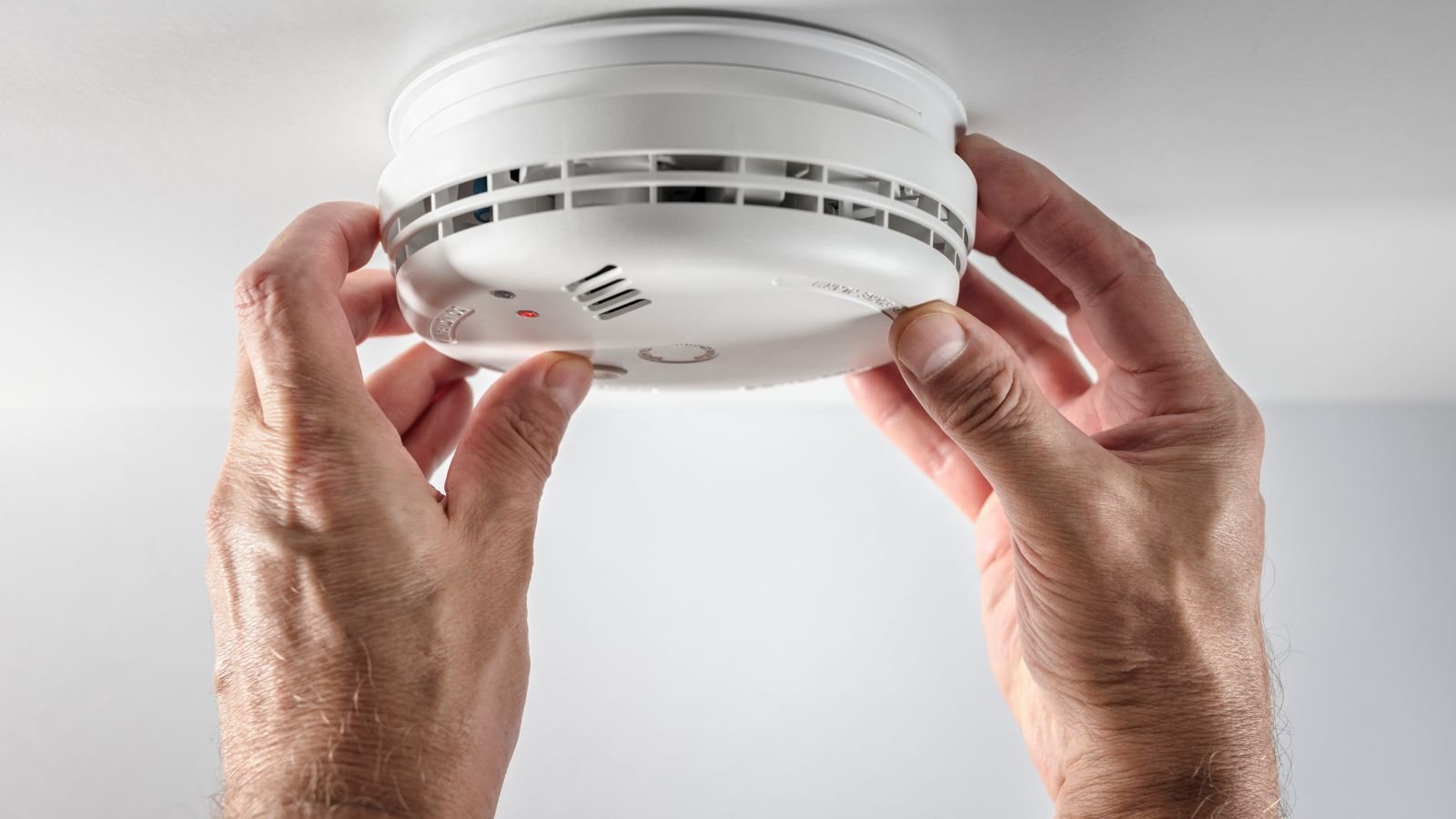
From those rare chilly mornings to our typical humid afternoons, your home is your sanctuary every season. We all rely on various appliances to keep life running smoothly, and since many of these everyday comforts use fuel, staying savvy about Carbon Monoxide (CO) safety is one of the easiest ways to protect you and your loved ones. Even though CO is often discussed in the winter, it’s really a year-round priority. With just a few proactive steps, you can feel confident and in control of your home’s safety, no matter the weather.
What is Carbon Monoxide?
Carbon monoxide is an odorless and colorless gas produced whenever fuel such as natural gas, oil, wood, gasoline or charcoal is burned. Under normal circumstances, your appliances (like your furnace or water heater) vent this gas safely outside. However, if an appliance is not functioning properly or poorly vented, CO can build up inside your home.
Monitor Your Appliances
- Schedule Annual Inspections: Have a qualified technician inspect your fuel-burning systems once a year to ensure everything is venting correctly and running efficiently.
- Watch the Flame: On gas appliances, look for a steady blue flame. A yellow or flickering orange flame is a red flag for incomplete burning and a potential CO leak.
- Never Use Your Oven for Heat: Using a gas oven or stove to heat your home is extremely dangerous and a leading cause of CO poisoning.
CO Detectors: Your First Line of Defense
- Placement is Key: Install CO Detector alarms on every level of your home and outside every sleeping area.
- Garage Safety: If you have an attached garage, place a detector near the interior door to catch fumes from any automobiles or other engine-driven vehicles.
- Maintenance: Test your alarms once a month. Replace batteries annually and replace the entire unit every 5 to 7 years.
Keeping Clear Paths for Fresh Air
- Generator Safety: Never run a generator indoors, in a garage, or near a window. Keep it at least 20 feet away from the house.
- Vent Checks: Check your external furnace and dryer vents for blockages like leaves or bird nests, which can force CO back into your home
- Fireplace Care: Ensure your chimney flue is open before lighting a fire and have it cleaned annually.
In the Event of a CO Alarm
- Evacuate immediately. Move everyone (including pets) to fresh air.
- Call 911. Do not try to find the leak yourself.
- Do not re-enter. Wait for emergency responders to declare the home safe.